So You've Bought a Bike. Now What?
The cycling world is full of people who speak a language you don't recognise. They talk about cadence and power meters and "marginal gains." Flikness speaks human instead.
Free to start • No credit card required
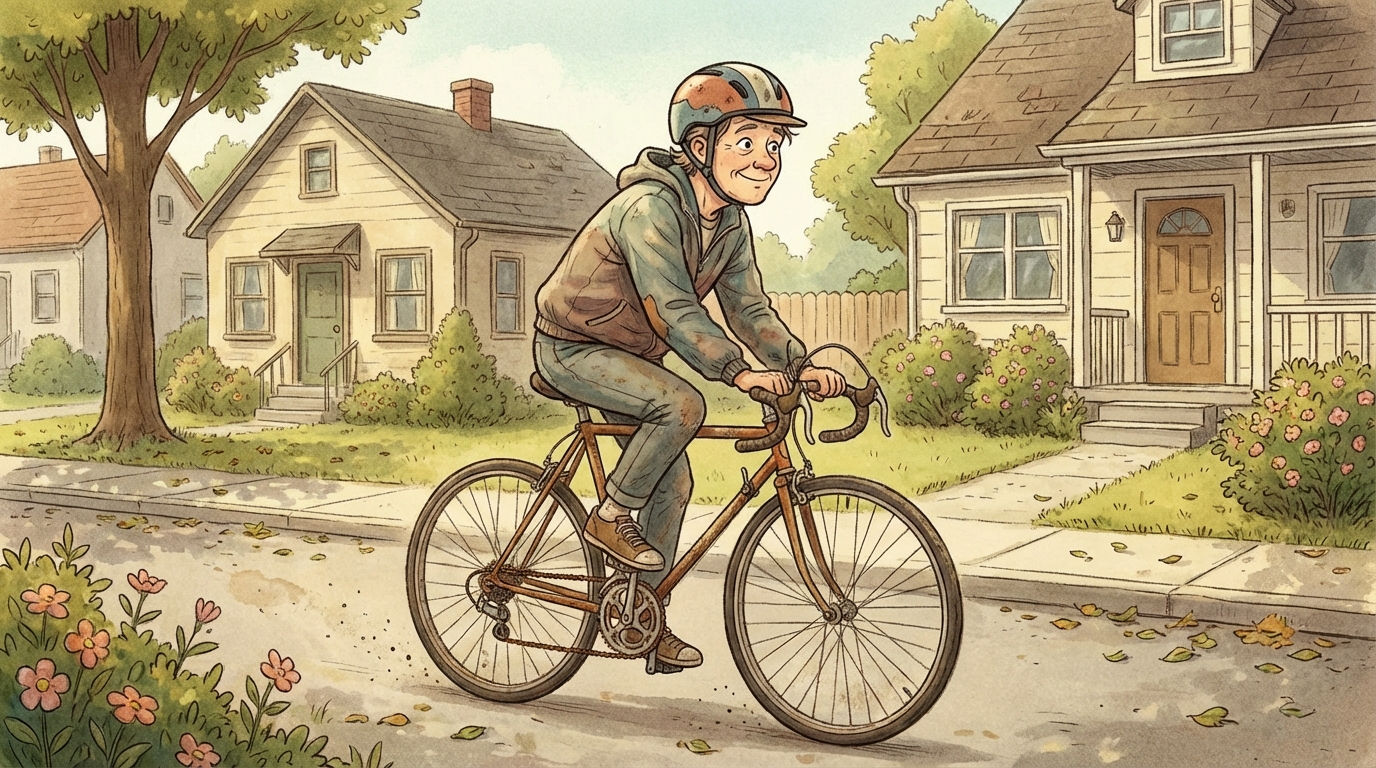
Somewhere in your garage, shed, or hallway, there's a bicycle. Perhaps you bought it during lockdown when everyone suddenly decided that cycling was the answer to everything. Perhaps you've had it for years and it's been gathering dust while silently judging you.
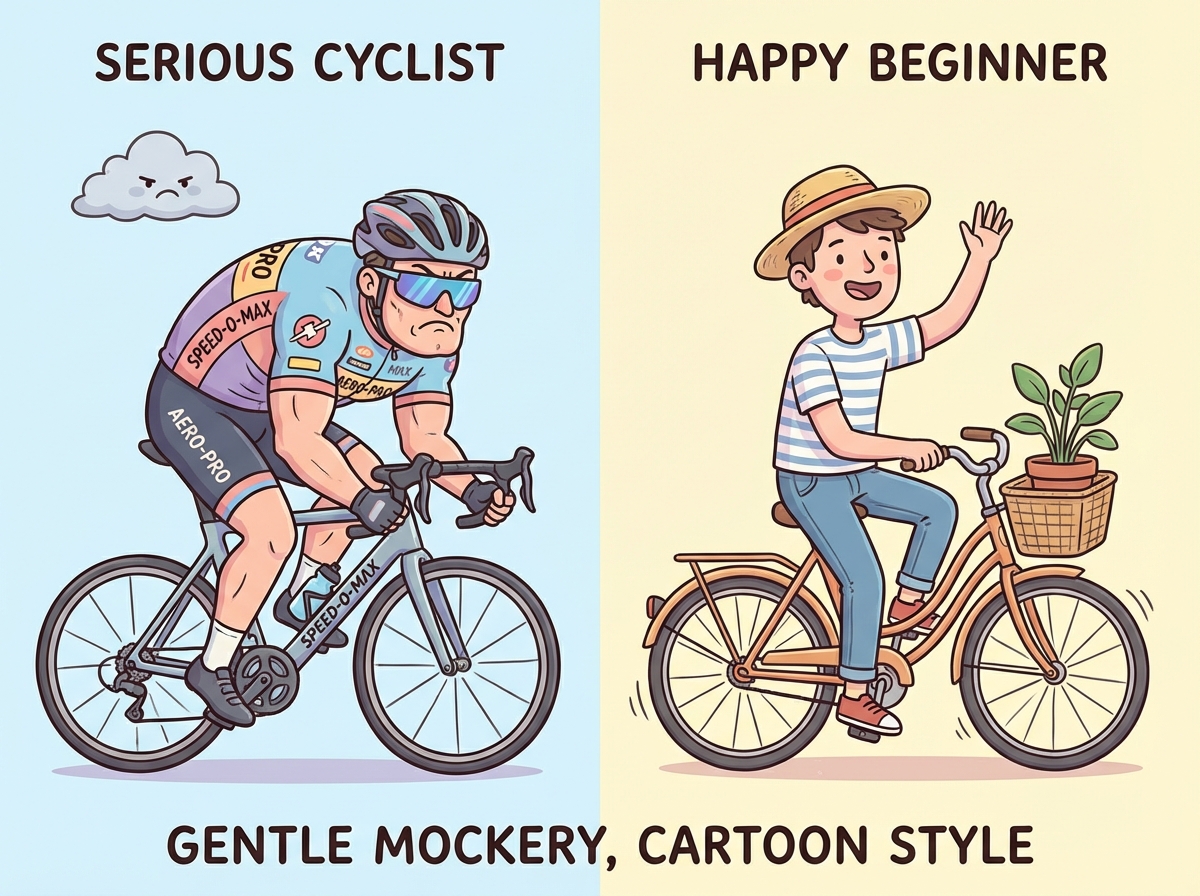
The cycling world is full of people who wear clothing that would get you arrested in most public spaces. And they have opinions about things you didn't know had opinions, like whether your pedals are the right kind of pedals.
It's all rather intimidating. No wonder your bike has been leaning against the wall for eight months.
But here's the thing: cycling is actually wonderfully simple. You sit on a seat, you turn the pedals, and the bike moves forward. Everything else is just details.
Why Beginner Cyclists Need Different Training
If you're just starting out, you don't need the same training plan as someone who's been riding for twenty years. This seems obvious, but you'd be amazed how many plans forget this basic fact.
Beginners need three things:
- Build fitness gradually — push too hard too soon and you'll hate cycling
- Learn how your body responds to being on a bike
- Actually enjoy yourself — if the first month is miserable, there won't be a second
Getting Started Without Getting Overwhelmed
The cycling world wants you to buy expensive equipment before you're allowed to enjoy yourself. Ignore all of that.
A Bike That Works
It doesn't need to cost thousands. It just needs to function properly and fit you reasonably well.
A Helmet That Fits
Non-negotiable. Your brain is irreplaceable, unlike your cycling kit which the industry will try to sell you every season.
Basic Gear Knowledge
Understanding how gears work will make hills less terrifying. Everything else can wait until you're actually cycling regularly.
The Flikness Approach to Beginner Cycling
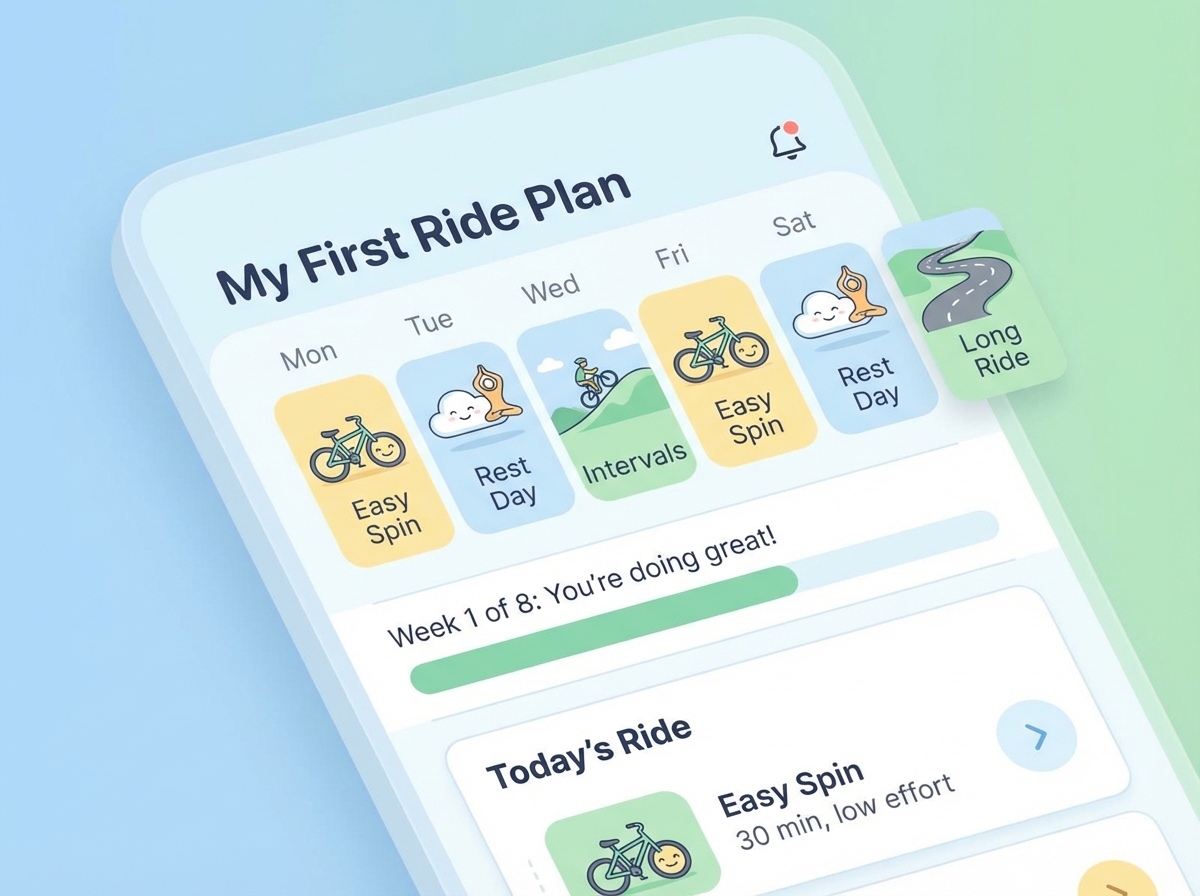
When you join Flikness and set up a cycling training plan, it doesn't assume you already know what you're doing. It asks questions about where you're starting from.
How fit are you generally? Have you cycled before, or is this completely new? How much time can you realistically dedicate to training? What are you hoping to achieve?
Then it builds a plan that makes sense for you. Maybe that means starting with two short rides a week and building up slowly. Maybe it means mixing cycling with other activities you already do.
The plan adapts as you progress. You're not locked into a rigid schedule that ignores how you're actually feeling.
Why Cycling Is Worth Getting Right
It's the only exercise that doesn't hurt your joints, works your entire body, and lets you be horizontal while exercising
No Joint Impact
Unlike running, cycling doesn't hammer your joints with every revolution.
Full Body Workout
Works your legs, core, and even arms when you get out of the saddle.
Horizontal Exercise
For anyone over forty, the appeal of being horizontal while exercising is significant.
Start Your Cycling Journey
Flikness focuses on what matters: getting you on the bike, helping you improve gradually, and making the whole experience enjoyable enough that you actually want to keep doing it.
Free to start • The best training plan is the one you'll actually follow