Numbers Don't Tell the Whole Story
Running isn't just about pace and distance. It's about how you feel, whether you slept well, and whether your legs feel fresh or like bags of sand. A good journal captures all of that.
Free to start • No credit card required
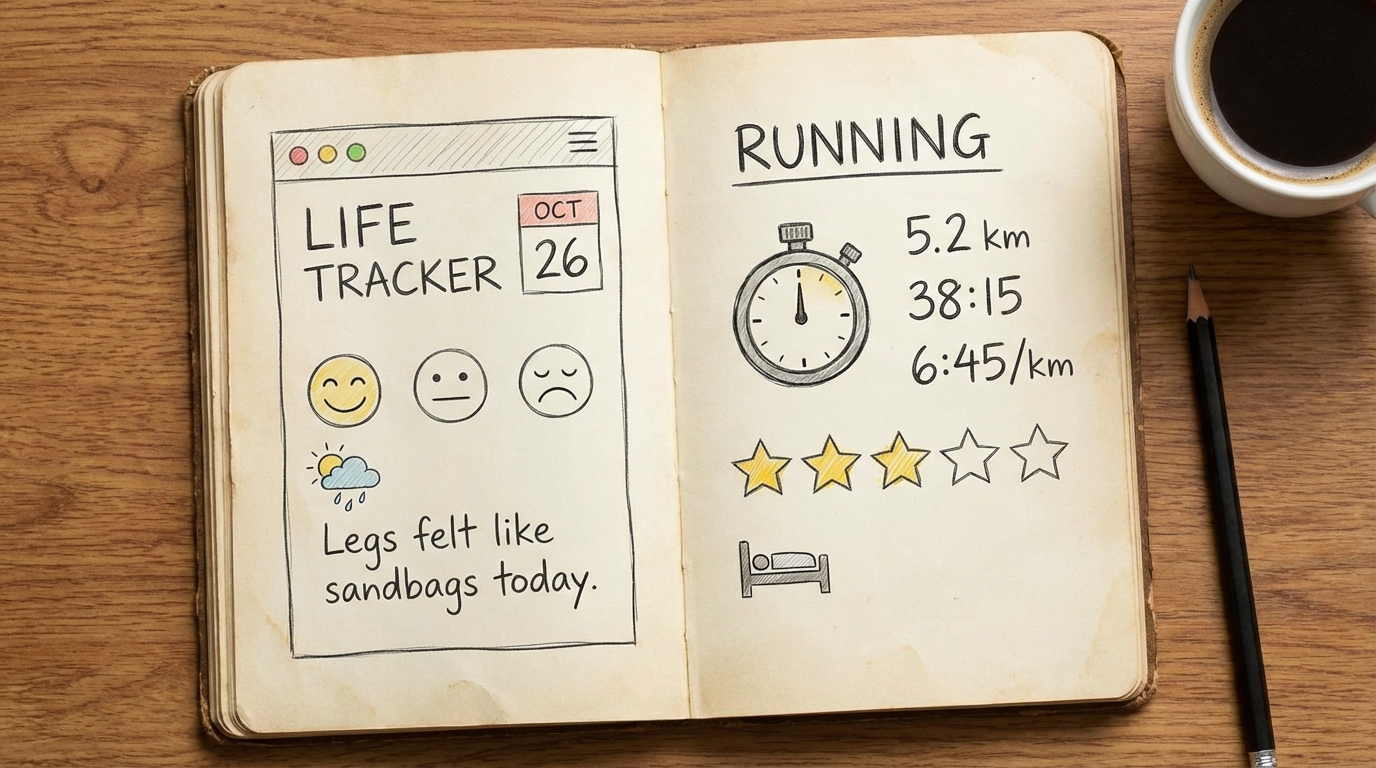
I've tried tracking apps. Of course I have. We all have. Those things that tell you how far you ran, how fast you were, how many calories you supposedly burned, and what your average pace was over the last seven Tuesdays.
And they're fine, as far as they go. The problem is, they don't go very far.
Because running isn't just about numbers. It's about how you feel. Whether you slept well last night. Whether you're stressed about work. Whether your legs feel fresh or whether they feel like someone's replaced them with bags of sand while you weren't looking.
A good training journal captures all of that. And then, crucially, it uses that information to make your training actually work.
What Flikness Tracks (And Why It Matters)
The Flikness journal is designed for real runners living real lives
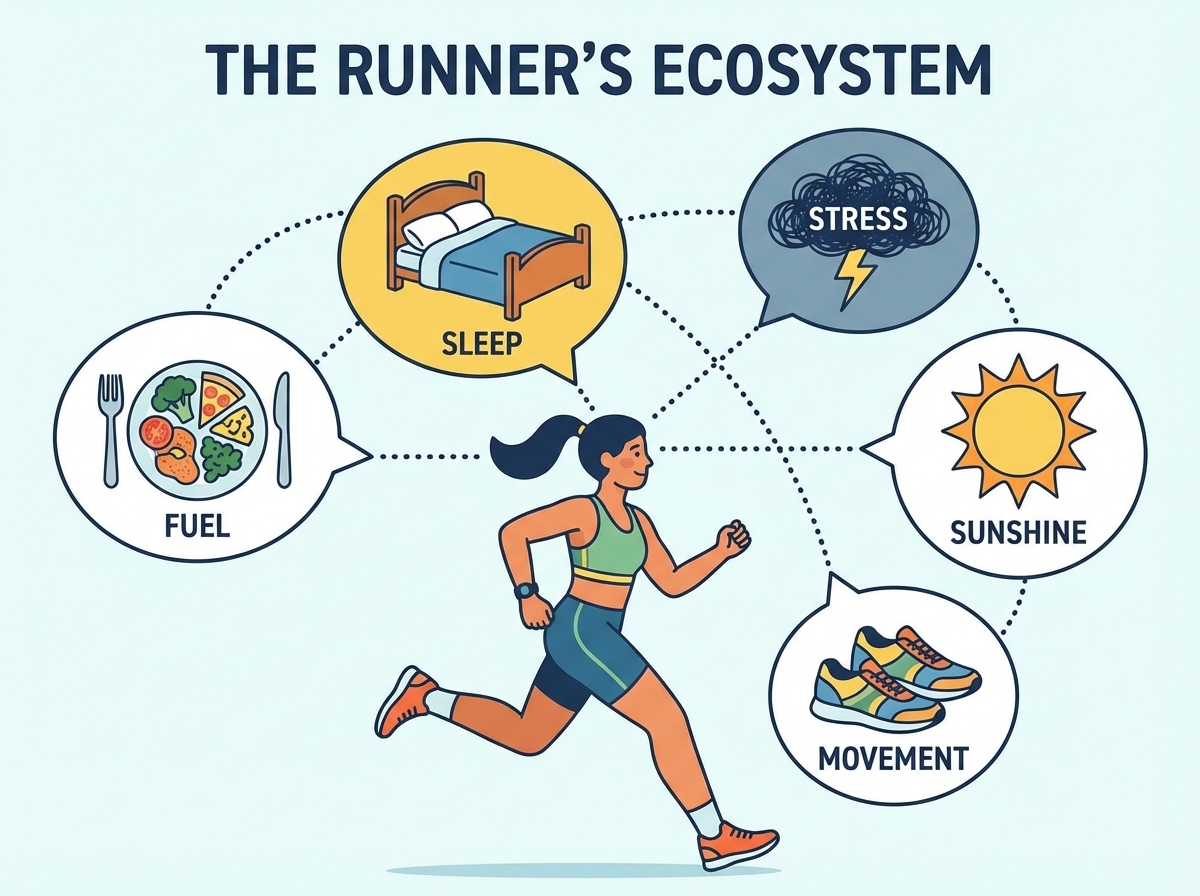
How You Feel
Not just physically, but mentally. Are you motivated? Exhausted? Stressed? All of these affect your performance.
What You Ate
Not in a calorie-counting way, but because nutrition affects energy levels. Had a heavy meal? That might explain today's sluggish run.
Sleep Quality
There's no point pretending you can train effectively on four hours of broken sleep. Track it, and the plan accounts for it.
Life Events
Sometimes training suffers because life gets in the way. That's not failure, that's reality. Track it and see the patterns.
A Journal That Talks Back
The clever bit about Flikness is that your journal entries don't just sit there gathering digital dust. They actually influence your training plan.
- If you log that you're exhausted, the plan adapts
- Feeling brilliant? The plan pushes harder
- Coming down with a cold? Training adjusts
- Work stress overwhelming? Recovery prioritised
It's like having a conversation with a coach who's actually listening, except you don't have to schedule appointments or pay hourly rates.
Building Patterns Over Time
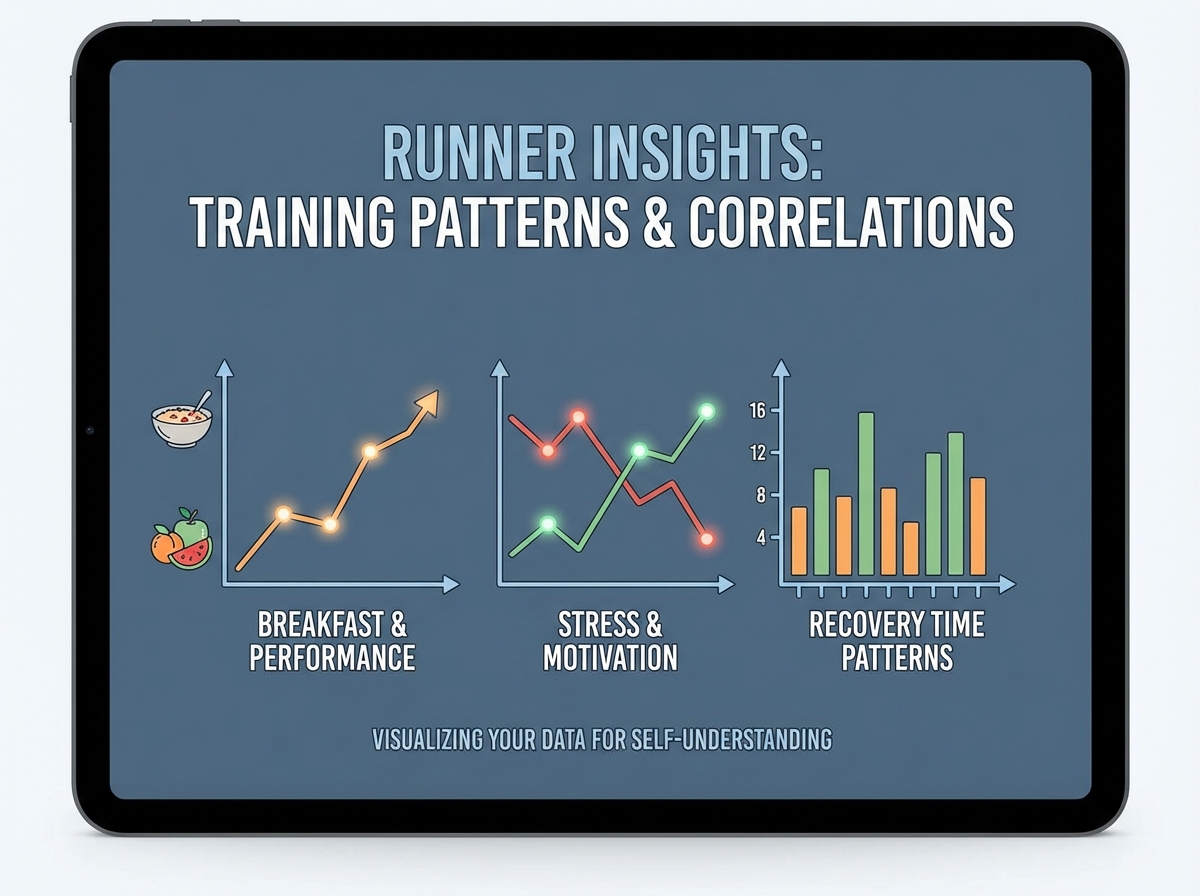
After a few weeks of logging, something interesting happens. You start to see patterns.
- Maybe you always run better when you've had a certain breakfast
- Maybe your motivation drops when work stress increases
- Maybe your body takes two days to recover from hard sessions, not one
These insights are genuinely useful. They help you understand yourself as a runner, not just as a collection of pace data.
And they make your training more effective because you're working with your patterns, not against them.
Start Your Training Journal
Track more than just miles. Understand yourself as a runner. Watch your training actually improve because the plan knows what's really going on.
Free to start • Your data, your insights