VO2 Max: The Number That Actually Matters
You've heard of VO2 max. You probably know it's important. And you almost certainly have no idea what to actually do about it. Let's fix that.
Free to start • No credit card required
Let me guess. You've heard of VO2 max. You probably know it's important. And you almost certainly have no idea what to actually do about it.
Join the club. VO2 max is one of those fitness metrics that gets thrown around like everyone knows what it means, when in reality, most people are just nodding along and hoping nobody asks them a follow-up question.
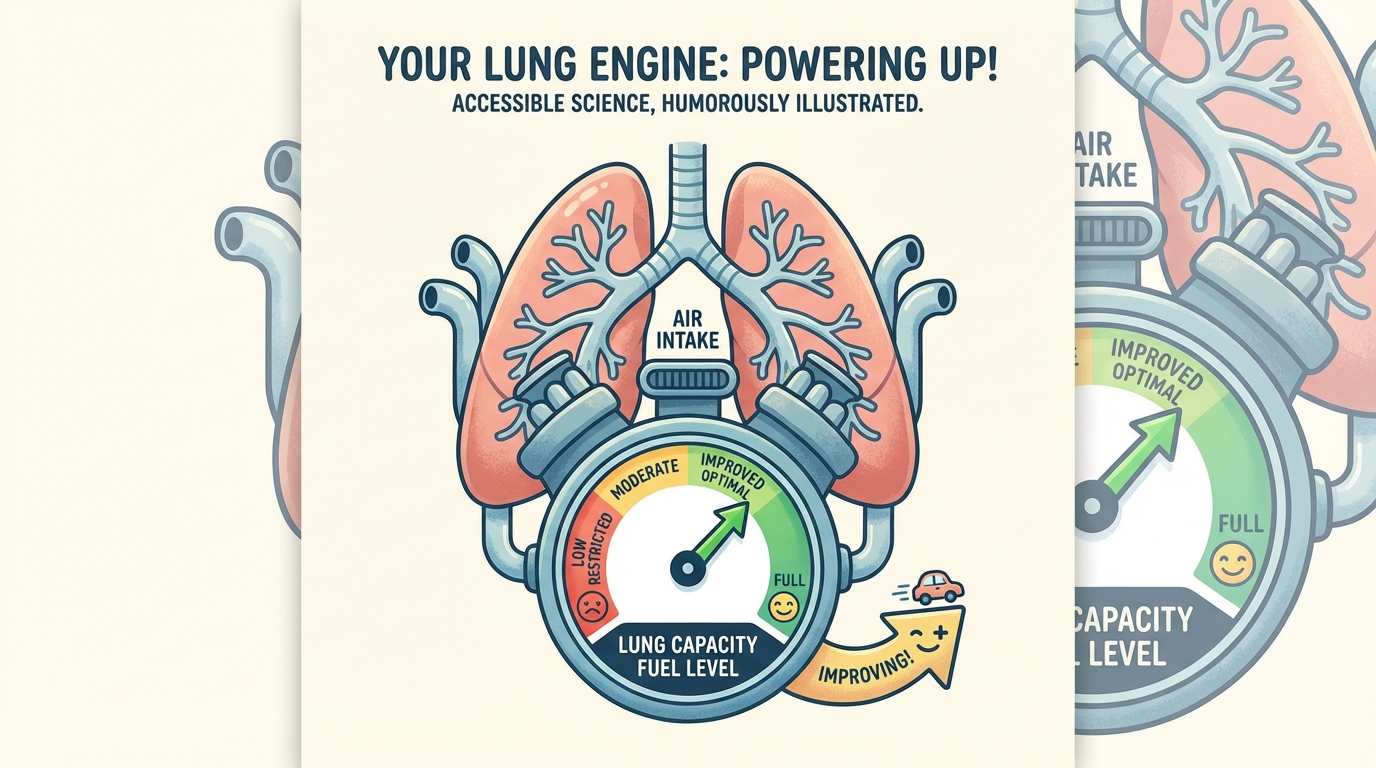
So let's clear this up. VO2 max is the maximum amount of oxygen your body can use during intense exercise. Think of it as the size of your engine. A higher VO2 max means you can work harder for longer before everything starts to hurt.
And here's the important bit: unlike some fitness metrics that are mostly genetic, you can actually improve your VO2 max with the right training. Even if you're over fifty. Especially if you're over fifty.
Why VO2 Max Matters More After 50
Your VO2 max naturally declines with age — roughly 10% per decade if you don't exercise. But you can fight back.
Climbing Stairs Without Wheezing
A good VO2 max means you can keep doing everyday things without getting winded. Independence maintained.
Staying Active Longer
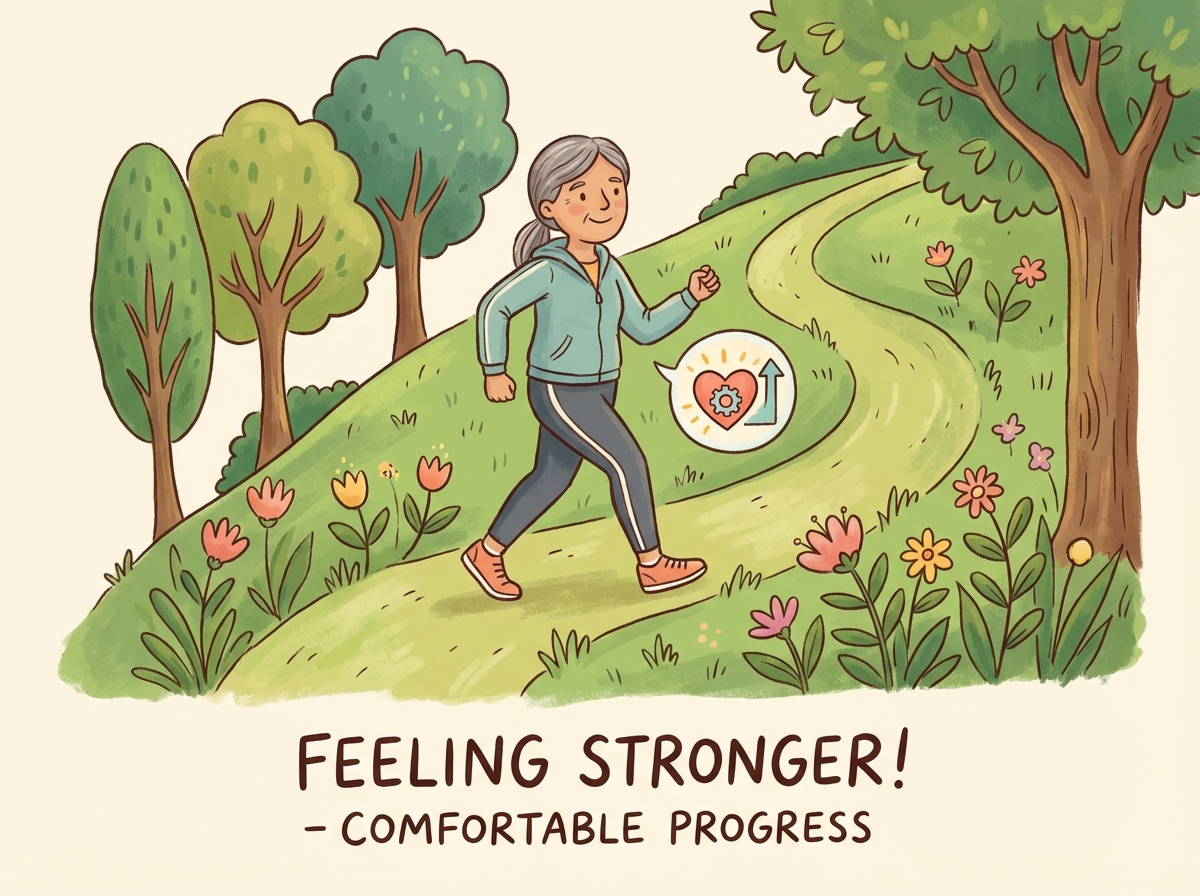
Regular training can slow the natural decline significantly. Keep the engine of a much younger person.
Better Quality of Life
This isn't about vanity or bragging rights. It's about being able to enjoy life without physical limitations holding you back.
Building VO2 Max Without Breaking Yourself
The traditional approach to improving VO2 max involves high-intensity interval training. Run very fast, rest briefly, run very fast again, and so on until you want to lie down and never move again.
This works. It also sends a lot of people to physiotherapy.
The smarter approach, especially for people over fifty, is to build VO2 max gradually through a mix of training intensities. Yes, you need some harder sessions. But you also need plenty of easy running and adequate recovery.
The Flikness Approach to VO2 Max
Building aerobic capacity without the injury risk that comes from overdoing it
Gradual Intensity Building
We don't throw you into hard intervals from day one. Intensity builds progressively as your body adapts.
Aerobic Base First
Plenty of easy running to build your aerobic foundation. The hard sessions come later, when you're ready.
Adequate Recovery
Your body needs time to adapt between hard sessions. We build in proper recovery, not just grudging rest days.
Journal-Based Adjustment
If you're struggling, the plan eases off. If you're cruising, it pushes harder. Responsive, not rigid.
The Science Without the Suffering
Improving your VO2 max shouldn't require the suffering of a Victorian workhouse. Yes, some sessions will be challenging. That's how adaptation works. But the overall experience should be manageable and even enjoyable.
Flikness helps you find that balance. It pushes you enough to create adaptation but not so much that you dread training. It treats you as an individual, not as a generic athlete who can handle whatever's thrown at them.
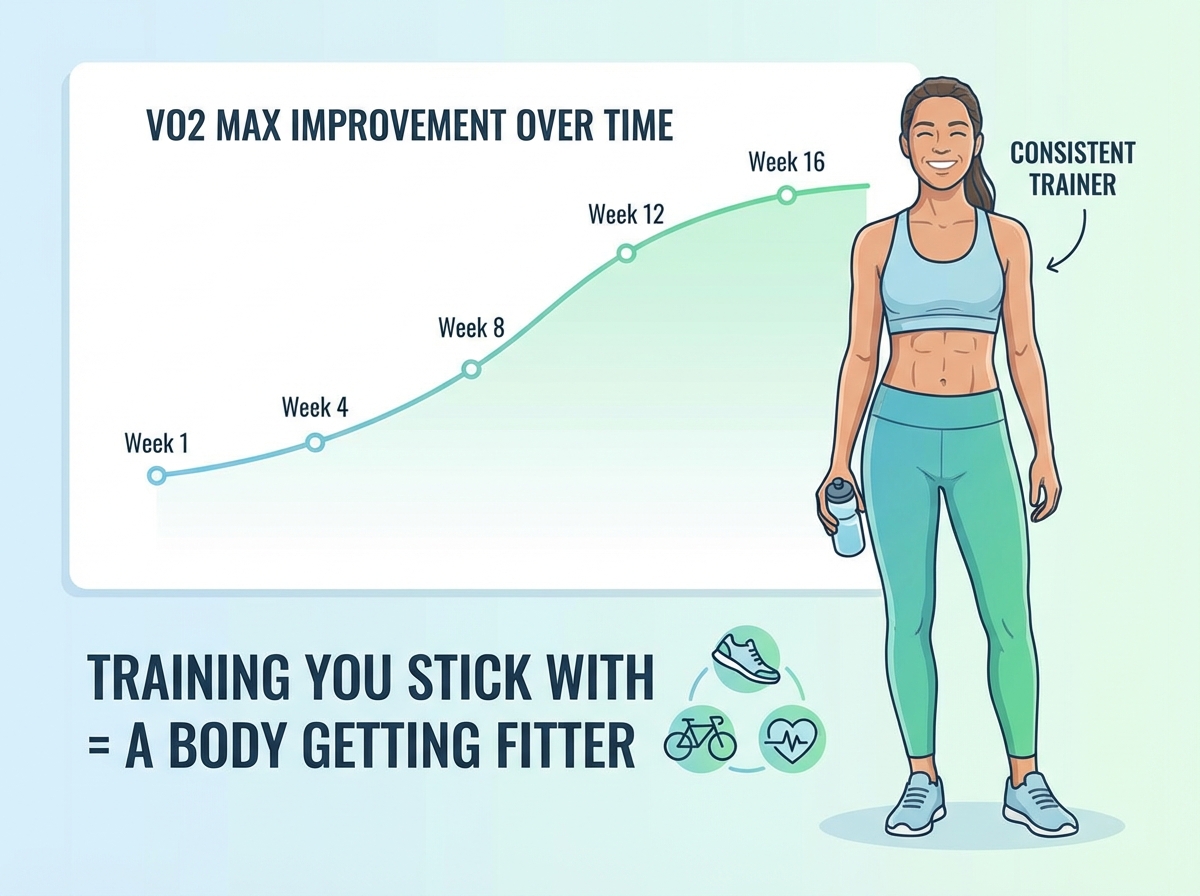
The result is a VO2 max that actually improves, training that you actually stick with, and a body that's genuinely getting fitter rather than just getting more tired.
Improve Your VO2 Max
Get a training plan that builds your aerobic capacity safely and sustainably. Your engine can still get bigger — you just need the right approach.
Free to start • Science-backed, human-friendly